The demand for shopping and food storage is increasing, especially during the epidemic season, when the social distancing directive is applied. However, storing food is not as simple as storing things in the refrigerator until they are needed. Because each type of food has different preservation methods and storage times to ensure nutritional safety. Let's find out the article below to know how to secure food reserves.
Prepare and clean before storing food
Foods such as fresh meat and fish when purchased need to be stored in the freezer so that they can be kept for a long time. Before that, you should prepare and clean fresh meat and fish with water and then store it in the refrigerator.
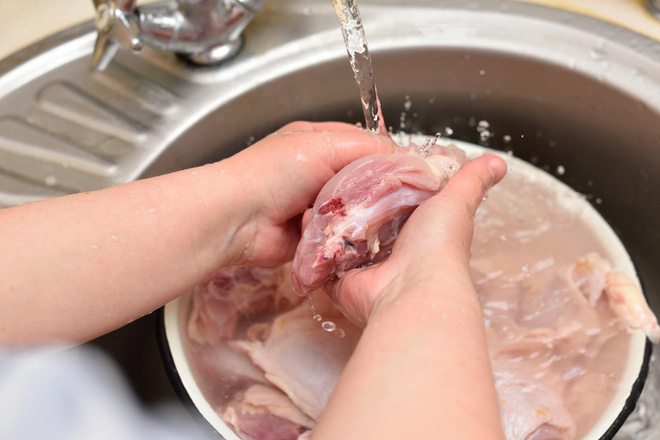
Because most of these foods are sold from farms or farms, there are many stages of transportation and packaging that are vulnerable to bacteria or contaminants. Even foods that are labeled organic, foods that do not use pesticides or preservatives can become contaminated.
However, foods such as vegetables, tubers, and fruits should not be cleaned or washed with water before storing in the refrigerator. The reason is that the humidity is too high, causing the vegetables to be easily discolored and damaged. In addition, during the washing process, vegetables can be crushed and become a risk for bacteria to enter.
Therefore, only vegetables, tubers and fruits should be washed before processing them. If you really need to wash, you should let the vegetables dry thoroughly before storing them. In addition, you should not cut vegetables, tubers and fruits because they will lose nutrients and create conditions for bacteria to grow.
How to store fresh food
With the need for long-term storage, fresh meat and fish in the freezer is the safest and most secure way to preserve food. To avoid repeated defrosting, which can cause frozen food to become contaminated, it is advisable to divide meat and fish into small portions suitable for each family meal.
In particular, food containers must be absolutely sealed so that secretions contained in food do not flow out into the refrigerator during storage and to avoid bacterial infection .
In fact, fresh food can be stored for up to a year if frozen from -180 to -300, frozen at -360, it can be stored for up to 18 months. However, according to nutritionists, when stored for too long, some enzymes in food will break down and transform themselves, making food more or less lose some important nutrients, soluble fats...
Therefore, the maximum storage time in the freezer for beef, sheep and goat is from 7 to 10 days ; Pork, chicken, duck about 7 days. As for fish, it should be used within 3 days of being stored in the freezer for better freshness.

How to store leftovers, cooked food
For leftovers, if you want to store food in the refrigerator, pay attention to re-boiling and cooling before storing. Each type of food should be stored separately, using plastic wrap when storing in the refrigerator. It's best to use food containers with tight-fitting lids so leftovers don't get mixed up. Before using these dishes again, you must cook them again to boil thoroughly and should only eat them once after storing to ensure nutrition .
Nutritionists also recommend that soups should only be stored in the refrigerator for about 24 hours . Braised and salty dishes should not be kept in the refrigerator for more than 3 days . Many people have the habit of storing a lot of leftovers in the refrigerator and leaving it behind for days later. Glass containers or bottles will be very useful in making it easier for users to check the food inside, are microwaveable and more environmentally friendly.
For freshly cooked foods that you want to put in the refrigerator for storage, you should boil them, let them cool, and then store them. Food should not be left out for more than 2 hours before putting it in the refrigerator, especially in hot, humid weather that can affect food.
If the family does not have a refrigerator or during power outage days, you can store leftovers in the freezer or put leftovers in a food container and place ice around the box. Note that absolutely do not use food that has a rancid smell or has an abnormal color change.
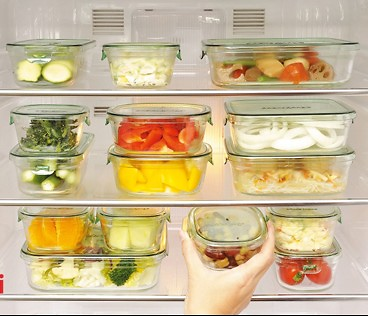
How to store food vegetables, fruits
According to nutritionists, you should choose fresh, natural green products, intact shape, not crushed, damaged or wilted. In addition, you should never buy frozen vegetables for storage because when you buy them you always need to keep them at a low temperature, otherwise it will spoil very quickly and it is also very difficult for you to know if the vegetables have been preserved. How long does it stay cold at the store?
Each type of vegetable, tuber, and fruit has its own way of preserving and storing it in its own refrigerator because of different storage time and humidity conditions. You should specifically classify vegetables, tubers, and fruits and put them in separate bags before putting them in the refrigerator to store food. Some vegetables need separate storage, for example mushrooms should be wrapped in newspaper for storage and storage instead of sealed bags or containers.
For most vegetables, tubers and fruits, they should be stored in plastic bags to prevent water evaporation, the humidity will be higher, and the freshness will last longer. You should use plastic bags made from PP material to store food to ensure the health and safety of you and your family.

You also need to pay attention to the time to store vegetables and tubers in the refrigerator for up to 3 or 4 days to ensure nutrition. For tubers, if not used up, they should be put in a perforated plastic bag and stored in the refrigerator for up to 2 more days. Particularly with tubers such as chayote, carrots, and cauliflower, you can store them in the refrigerator for up to 10 days.
Nhận xét
Đăng nhận xét